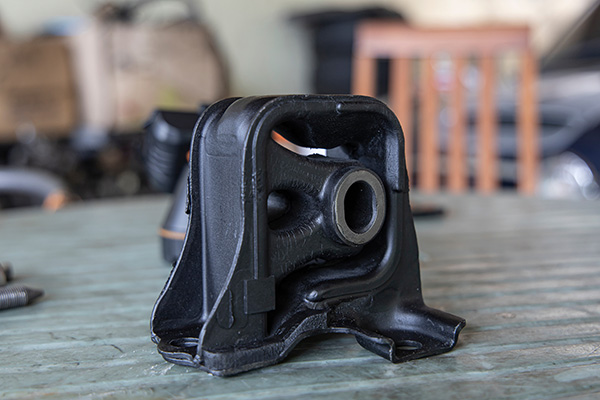
Engine and transmission mounts are easy to overlook because they are hidden deep in the engine bay or beneath the vehicle. They hold the drivetrain in place, absorb vibration, and control the torsional motion generated during acceleration, braking, and gear changes. When the mounts wear out, the first symptom may seem like little more than an annoying shake.
Over time, that extra movement can affect far more than comfort. Hoses stretch, exhaust parts shift, wiring gets pulled, and other mounts take on forces they were never meant to handle alone. Here are seven problems that can develop when damaged mounts remain in service.
1. Excessive Vibration Inside The Cabin
The rubber or hydraulic material inside a mount isolates normal engine vibration from the vehicle’s body. Once that material hardens, cracks, collapses, or separates, the vibration travels into the steering wheel, seats, floor, dashboard, and center console. It may be most noticeable while idling in drive with the brake held.
A rough-running engine can create a similar feeling, so the mounts should not be blamed without checking engine performance. Misfires, vacuum leaks, ignition problems, and unstable idle speed can all cause shaking. If the engine runs evenly but the cabin vibration has clearly increased, worn mounts become a stronger possibility.
2. Clunks When Shifting Into Gear
A dull thump when shifting from park into drive or reverse can happen when the drivetrain moves too far before the mount stops it. Torque changes quickly during gear selection, and a damaged mount may allow the engine or transmission to rock against its bracket.
The same clunk may occur when pulling away from a stop or lifting off the gas pedal. Loose suspension parts, worn axles, and transmission concerns can make similar noises, so a road test and controlled movement check are helpful. Replacing parts based only on where the sound seems to come from can lead in the wrong direction.
3. Damage To Exhaust Components
The exhaust system is connected to an engine that naturally moves, which is why many vehicles use flexible sections and rubber hangers. When a mount allows excessive movement, the exhaust can stretch, twist, or strike the underbody. Flex pipes may crack, flanges can loosen, and hangers can tear.
The driver may hear rattling, tapping, or a deeper exhaust sound during acceleration. An exhaust leak can also allow fumes to enter the cabin and may affect oxygen sensor readings if it develops near the engine. Repairing the exhaust without correcting the failed mount can allow the same damage to return.
4. Strain On Hoses And Wiring
Coolant hoses, fuel lines, vacuum hoses, wiring harnesses, and electrical connectors are routed with limited movement in mind. A loose drivetrain can pull on these parts whenever the vehicle accelerates or shifts. The stress may be small during each trip, but it adds up.
A stretched hose can begin leaking, while wiring may rub against a bracket or pull partly out of a connector. Those faults can create coolant loss, warning lights, sensor problems, or an engine that runs poorly. The symptoms may seem unrelated to the mounts until the amount of drivetrain movement is inspected.
5. Faster Wear On The Remaining Mounts
Engine and transmission mounts work as a group. Each one controls movement in a certain direction and shares the weight of the drivetrain. If one mount collapses or separates, the others have to absorb more force.
That extra workload can shorten the life of mounts that were still usable when the first one failed. The vehicle may begin with one vibration and later develop clunks, jolts, or visible engine movement as additional mounts weaken. During an inspection, every mount should be checked rather than only the easiest one to see.
6. Harsh Or Jerky Acceleration
A worn mount can allow the engine or transmission to shift before power reaches the wheels. The driver may feel a jolt, shudder, or heavy bump when leaving a stop. Gear changes can also seem harsher because the drivetrain is no longer being held firmly in position.
Acceleration vibration can come from CV axles, driveshafts, ignition misfires, transmission wear, or tire problems too. A mount-related jolt is more likely when the vehicle also clunks during gear selection or rocks noticeably as the throttle is applied. The pattern helps separate mount movement from a fault inside the engine or transmission.
7. Intake And Cooling System Problems
Many engines use plastic intake tubes, air ducts, radiator hoses, and coolant fittings that sit close to moving components. Too much engine movement can loosen clamps, split aging intake boots, or place pressure on brittle cooling system connections.
An intake leak may cause rough idle, hesitation, or lean fuel mixture codes. A disturbed coolant hose or fitting can create a slow leak that eventually leads to overheating. What started as a worn mount can turn into a drivability or cooling system complaint if the movement continues long enough.
How Worn Mounts Are Confirmed
Mount inspection begins with the conditions that produce the symptom. Vibration at idle, a clunk during gear selection, and a jolt under acceleration each give useful clues. The engine should also be checked for misfires and other performance problems that can imitate mount failure.
Technicians look for cracked rubber, hydraulic fluid leakage, collapsed height, separation from the brackets, and contact marks where parts have been touching. A controlled load test may reveal movement that is not visible while the engine sits at idle. Regular maintenance and early inspection can prevent a single weak mount from affecting several nearby systems.
Get Engine And Transmission Mount Repair In Martinez, CA, With Hagin's Automotive
If your vehicle shakes at idle, clunks when shifting, or feels jerky during acceleration, Hagin's Automotive in Martinez, CA, can inspect the engine mounts, transmission mounts, exhaust, hoses, wiring, and related drivetrain components.
Contact us to schedule an appointment before excessive movement leads to additional repairs.