Posted on 9/25/2026
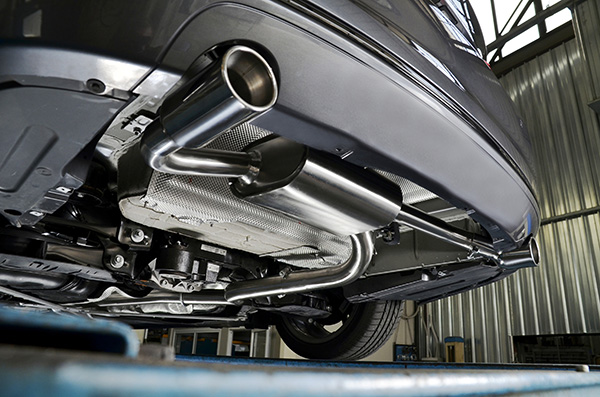
An exhaust rattle that shows up when you press the accelerator can be surprisingly hard to pin down from the driver's seat. At idle, the car may sound normal, but once the engine is under load, a metallic buzz or knocking noise starts coming from under the vehicle. Acceleration changes engine movement, exhaust flow, and vibration at the same time. That is why the source can be anything from a loose heat shield to a broken hanger or an internal failure inside the muffler or catalytic converter. The way the noise reacts to engine speed gives us useful clues. Loose Heat Shields Are a Frequent Source of Metallic Rattles Heat shields are thin pieces of metal positioned around the exhaust to protect the floor, fuel system, wiring, and nearby components from high temperatures. Because they are lightweight, a small amount of looseness can make plenty of noise. Mounting points can rust, washers can pull through the shield, or the metal can crack around a fastener. The r ... read more
Posted on 8/28/2026

A multi-point car inspection is a broad check of the vehicle’s condition, usually performed during routine service or before a longer trip. It gives technicians a chance to look beyond the immediate reason the car came into the shop and spot wear, leaks, damage, or maintenance needs that may not yet be obvious to the driver. The exact checklist varies from one shop and vehicle to another. Still, the goal is generally the same: look at the major systems that affect safety, reliability, and day-to-day operation. A good inspection should also help separate problems that need attention now from items that can simply be watched over time. Tires and Wheels Tires are one of the first areas worth checking because they affect braking, steering, ride quality, and traction. Technicians may measure tread depth, check air pressure, look for uneven wear, and inspect the sidewalls for cuts, cracking, bulges, or other damage. Uneven tread can tell a useful story. Wear on one ... read more
Posted on 7/31/2026
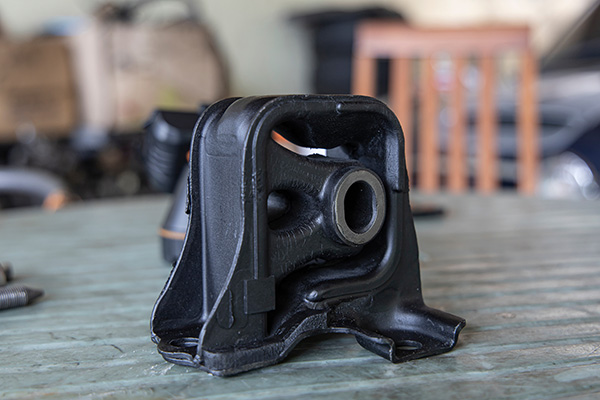
Engine and transmission mounts are easy to overlook because they are hidden deep in the engine bay or beneath the vehicle. They hold the drivetrain in place, absorb vibration, and control the torsional motion generated during acceleration, braking, and gear changes. When the mounts wear out, the first symptom may seem like little more than an annoying shake. Over time, that extra movement can affect far more than comfort. Hoses stretch, exhaust parts shift, wiring gets pulled, and other mounts take on forces they were never meant to handle alone. Here are seven problems that can develop when damaged mounts remain in service. 1. Excessive Vibration Inside The Cabin The rubber or hydraulic material inside a mount isolates normal engine vibration from the vehicle’s body. Once that material hardens, cracks, collapses, or separates, the vibration travels into the steering wheel, seats, floor, dashboard, and center console. It may be most noticeable while idling in ... read more
Posted on 6/26/2026

Buying a used car can feel like a win when the price looks right, and the test drive seems fine. The seller says it has been cared for, the photos look clean, and the mileage feels reasonable. It is easy to get excited and move faster than you should. That is where buyers get into trouble. A used vehicle can hide worn brakes, old tires, fluid leaks, weak suspension parts, engine issues, or warning codes that do not show up during a short drive. A repair shop can help you slow down and look at the car more carefully before the purchase becomes your problem. Skipping A Pre-Purchase Inspection One of the biggest mistakes is buying a used car without a professional inspection. A quick look in a driveway does not show what is happening underneath. The vehicle needs to be lifted, scanned, checked for leaks, and reviewed for wear that most buyers cannot see. A pre-purchase inspection can reveal brake wear, suspension looseness, tire problems, fluid leaks, previous repairs ... read more
Posted on 5/29/2026

A car with worn suspension does not always announce itself with a single loud clunk. Sometimes it just starts feeling tired. The steering needs tiny corrections, the front end dips more than it used to, or the tires start wearing in a pattern that looks wrong. That is usually the car telling you the chassis is moving more than it should. Suspension, steering, shocks, and struts all work together. When one part wears, the whole vehicle can feel less settled. You may still get where you are going, but the car does not feel as planted, quiet, or predictable. When The Ride Starts Feeling Loose A worn suspension often shows up first in the way the vehicle feels over bumps. Instead of taking one hit and settling, it keeps moving. The body may bounce after dips, rock after lane changes, or feel floaty on the highway. Shocks and struts are the main parts that control that motion. Springs hold the vehicle up, but shocks and struts dampen the spring movement. When they wear ... read more
Posted on 4/30/2026

We’ve spent a lot of time lately looking at the long lines and even longer receipts at the gas stations around town. Around the shop, we get asked all the time: "Is there anything I can actually do to stop going to the gas station so often?" The truth is, there are a lot of myths out there, but a few small, science-backed changes to your routine and your maintenance schedule can actually save you hundreds of dollars a year. Here is the "straight talk" from the garage on what actually moves the needle on your MPG. What Actually Works: The Maintenance Edition You can be the most careful driver in the world, but if your car is fighting against itself, you’re going to lose money. The "Invisible Brake" Under-inflated Tires. Think about riding a bicycle with soft tires—it’s exhausting, right? Your car feels the same way. For every 1 PSI your tires are low, you lose about 0.2% of your fuel economy. If all four tires a ... read more
Posted on 3/27/2026

Weak A/C on a hot day is frustrating because it can be hard to describe. The air is not warm, exactly, but it also is not doing the job the way it used to. On a mild day, it seems fine, but the first hot afternoon hits, and the cabin never really cools down. Most of the time, weak A/C comes down to airflow, refrigerant level, or the system not being able to manage heat at idle. What Weak A/C Usually Means Weak A/C usually means one of two things. Either the system is not producing cold air as efficiently as it should, or it is producing cold air but not moving enough of it through the cabin. From the driver’s seat, both feel like the A/C is struggling. It helps to notice whether the air is weak at all speeds, or mostly weak when you are stopped. Weak at idle but better while driving often points to condenser airflow. Weak all the time makes low refrigerant or compressor performance more likely. Airflow Problems Inside The Cabin A surprising ... read more
Posted on 2/27/2026
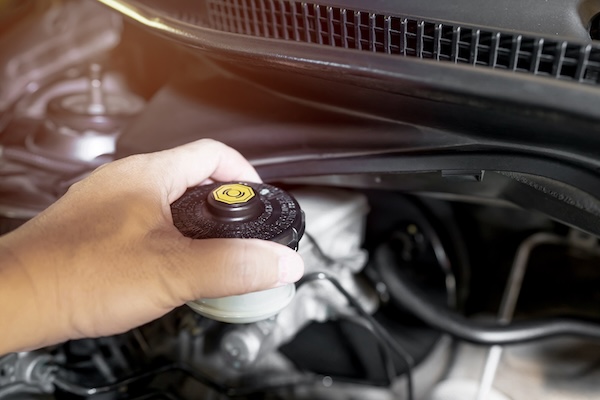
Brake fluid is one of the most critical—yet most overlooked—fluids in your vehicle. While engine oil and coolant often get more attention, brake fluid plays a vital role in keeping you safe on the road. Choosing the wrong type or neglecting brake fluid service can lead to reduced braking performance, internal corrosion, and even brake failure. Understanding the different types of brake fluid and knowing which one is correct for your car can help you protect your braking system and avoid costly repairs. What Does Brake Fluid Do Brake fluid is a hydraulic fluid that transfers force from your brake pedal to the brake components at each wheel. When you press the pedal, the fluid moves through brake lines under pressure, allowing your brake pads or shoes to clamp down and slow the vehicle. Because brake fluid operates under extreme conditions—high pressure and high heat—it must maintain a stable boiling point and resist moisture contamination. Over time, brake fl ... read more
Posted on 1/30/2026
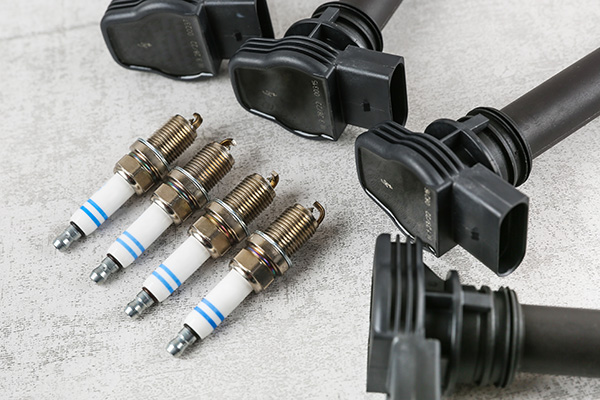
A misfire can start out feeling like a tiny hiccup, then suddenly the check engine light starts blinking, and your confidence drops fast. The car may shake at idle, hesitate when you merge, or feel like it lost a chunk of power for no clear reason. At that moment, most drivers have the same question: Is this a simple tune-up issue, or something more complicated hiding behind it? The clues are usually there, you just have to know what to pay attention to before the problem gets worse. What A Misfire Feels Like In Real Driving Misfires do not always feel dramatic. Sometimes it is a subtle stumble when you accelerate, especially uphill or when the engine is under load. Other times, the engine shakes at a stoplight, then smooths out once you are cruising. You might also notice the exhaust sounds uneven, or the car feels like it is working harder to do normal things. Pay attention to consistency. A steady rough idle that never goes away can point toward a persistent ign ... read more
Posted on 12/19/2025

A new year is a good excuse to reset how you care for your vehicle. Most breakdowns we see do not come out of nowhere; they build slowly as small maintenance items are pushed back. With a few simple habits, you can keep your car starting easily, stopping confidently, and handling daily traffic without constant surprises. 1. Make Oil and Filter Changes Match How You Really Drive Oil does not just lubricate; it carries heat and contaminants away from critical parts. When it stays in service too long, it thickens, forms deposits, and loses its protective additives. That is when timing components, turbochargers, and bearings start to wear faster, even if the engine still sounds normal. Instead of aiming for the longest possible interval, base oil changes on your real driving. Lots of short trips, idling in traffic, and hot weather use count as severe service, which usually means sho ... read more