Buying a used car can feel like a win when the price looks right, and the test drive seems fine. The seller says it has been cared for, the photos look clean, and the mileage feels reasonable. It is easy to get excited and move faster than you should.
That is where buyers get into trouble. A used vehicle can hide worn brakes, old tires, fluid leaks, weak suspension parts, engine issues, or warning codes that do not show up during a short drive. A repair shop can help you slow down and look at the car more carefully before the purchase becomes your problem.
Skipping A Pre-Purchase Inspection
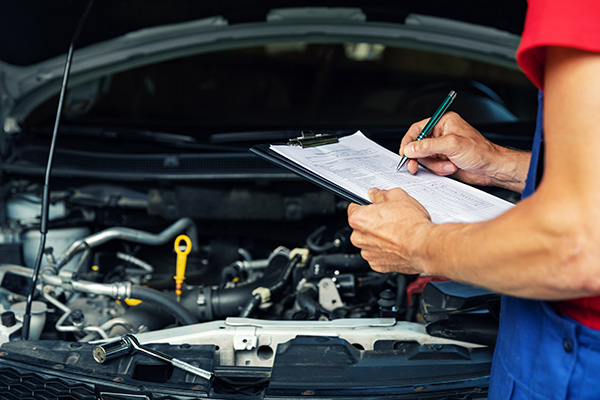
One of the biggest mistakes is buying a used car without a professional inspection. A quick look in a driveway does not show what is happening underneath. The vehicle needs to be lifted, scanned, checked for leaks, and reviewed for wear that most buyers cannot see.
A pre-purchase inspection can reveal brake wear, suspension looseness, tire problems, fluid leaks, previous repairs, and hidden warning codes. It does not guarantee the car will never need work, but it gives you a clearer picture. That information can help you negotiate, budget, or walk away before money changes hands.
Trusting A Short Test Drive Too Much
A five-minute test drive is rarely enough. Many problems only appear after the engine warms up, at highway speeds, during braking, while turning, or under acceleration. A seller may choose a short route that avoids rough roads, hills, or higher-speed driving.
During the drive, pay attention to shifting, steering, braking, acceleration, temperature, smells, and noises. The car should start easily, idle steadily, stop straight, and track without constant correction. If something feels off, do not explain it away too quickly. Small clues during a test drive can point toward repairs the seller is not mentioning.
Ignoring Dashboard Lights And Warning Codes
Some buyers accept a dashboard warning light because the seller says it is only a sensor. That can be a costly mistake. A check engine light, ABS light, airbag light, battery light, oil pressure light, or temperature warning should be tested before purchase.
A scan tool can also show stored or pending codes even when the light is not currently on. Recently cleared codes and incomplete readiness monitors can suggest the computer was reset before the sale. Warning codes do not always mean the vehicle is a bad buy, but they should always affect the decision.
Overlooking Tires, Alignment, And Suspension Wear
Tires can tell a lot about a used car. Uneven tread, inside-edge wear, feathering, cupping, mismatched tires, or one newer tire mixed with older ones can point toward alignment or suspension concerns. New tires can also hide an old wear pattern, so the parts behind the wheels still need to be checked.
Suspension wear can create clunks, pulling, vibration, loose steering, and uneven tire wear. Control arms, bushings, ball joints, tie rods, shocks, struts, and wheel bearings all affect how the vehicle feels. If those parts are worn, the car may need more than a simple alignment after purchase.
Forgetting To Check Fluids And Leaks
Fluids give useful clues about the vehicle’s condition. Engine oil, coolant, brake fluid, transmission fluid, power steering fluid, and differential fluid can show signs of neglect, contamination, or leaks. A low fluid level should raise questions.
Look under the vehicle after the test drive. Check for fresh drips, wet areas, burning smells, or residue around the engine and drivetrain. A small leak may not ruin the deal, but it should be identified before you buy. Regular maintenance records can also help show whether fluid services were done on time.
Used Car Buying Mistakes That Add Repair Costs
Some mistakes are easy to avoid when you know what to watch for. Before buying, slow down and look for these issues:
- Buying without a pre-purchase check
- Ignoring warning lights
- Skipping a cold start
- Not checking tire wear
- Forgetting to test the A/C and heat
- Accepting vague maintenance history
- Overlooking leaks after the drive
- Letting sales pressure rush the decision
Any one of these can lead to surprise repairs. Several together can turn a good-looking deal into a vehicle you regret buying.
Not Reviewing Service History
Service records help show how the vehicle was treated. Oil changes, brake repairs, tire rotations, fluid services, battery replacement, timing belt service, and major repairs all matter. A car with clear records is easier to evaluate than one with an unknown history.
Missing records do not automatically mean the vehicle is bad, but they create uncertainty. If there is no proof of service, you may need to assume some maintenance is overdue. That changes the real cost of ownership, even if the sale price looks attractive.
Get a Used Car Inspection In Martinez, CA, With Hagin's Automotive
If you are looking at a used car and want help avoiding expensive buying mistakes, Hagin's Automotive in Martinez, CA, can inspect the vehicle before you make the final decision.
To check the car’s condition before you buy, contact us to schedule an appointment.